The Torque Trap: Why Your Power Wrench Is a Liability in Auto Repair
 Maya ChenContributing Editor
For most DIY mechanics, chasing maximum torque in a power wrench is a marketing trap that leads to stripped threads and sheared bolts. The conventional wisdom says more power is always better for automotive repair, focusing on the brute force needed to break loose rusted lug nuts. This analysis rejects that premise. The true measure of a power wrench isn't its peak output, but its ability to scale down for the vast majority of fasteners that require precision, not power.
The Flaw in the High-Torque Obsession
The primary goal of automotive repair is not just loosening stubborn bolts; it's performing a full range of tasks without causing expensive, secondary damage. Run the math: a lug nut may require 100 ft-lbs of torque, but an oil drain plug is often around 25 ft-lbs, and valve cover bolts can be as low as 7-10 ft-lbs, as noted in common automotive torque specifications. Applying a 500 ft-lb impact wrench to a delicate sensor mount is a recipe for disaster. The industry's obsession with 'nut-busting torque' ignores the reality that most maintenance involves finesse. This is why it's critical to start rethinking torque and why control outperforms power.
Finesse Over Force: The Value of Scalable Power
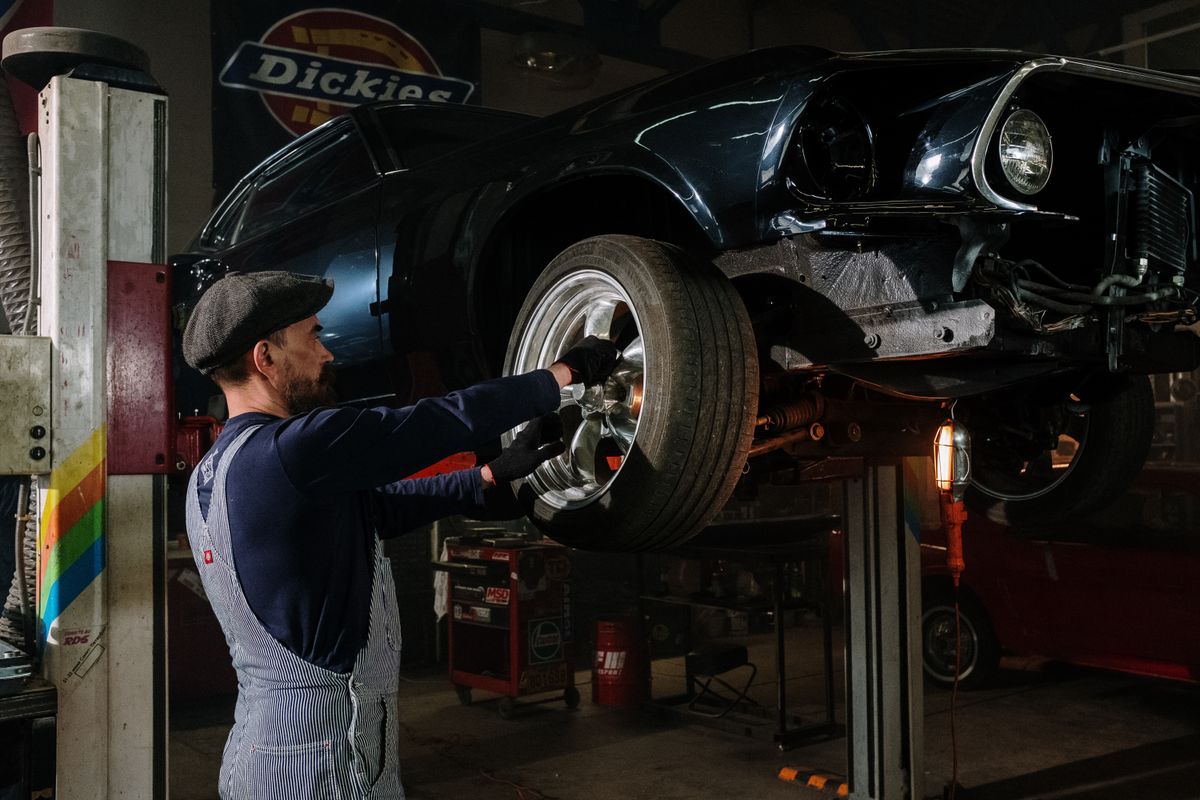
Photo by cottonbro studio on Pexels
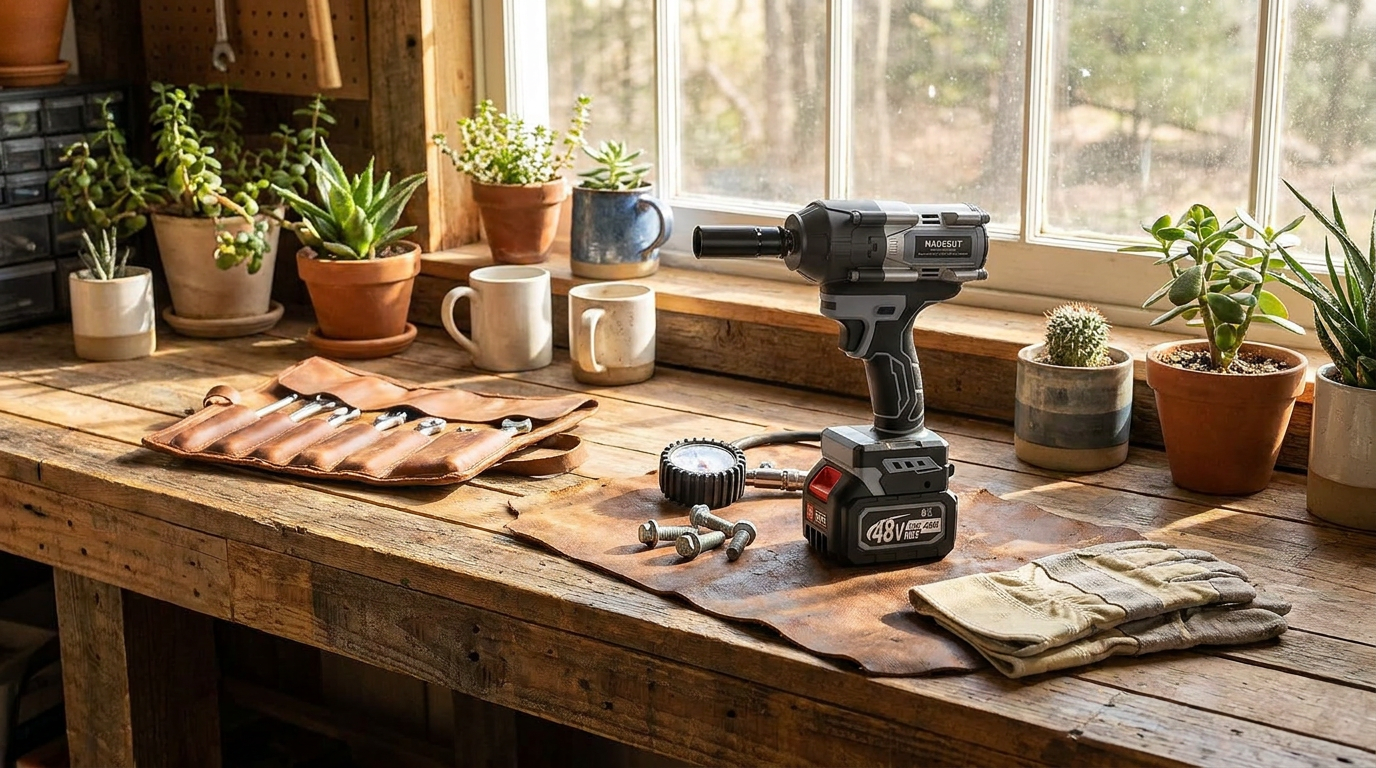
Here's the part nobody talks about: a tool's real value isn't its peak power, but its ability to prevent damage to delicate aluminum and composite components. This is where a multi-speed system becomes essential. A tool like the Madebut Cordless Impact Wrench, with its 3-speed transmission, provides a functional solution. The lowest setting delivers controlled force suitable for starting threads or securing small bolts, preventing cross-threading and stripping. The higher settings remain available for heavy-duty removal. When selecting a Madebut cordless impact wrench for automotive use, the key feature isn't the maximum torque figure but the granular control offered by its variable settings.
I'll change my mind when tool manufacturers stop marketing 'nut-busting torque' as the primary metric and start advertising the precision and range of their lowest settings. Until then, the focus on maximum power remains a disservice to the careful DIY mechanic.
Isn't high torque necessary for seized bolts?
Yes, for the initial removal of rusted or seized fasteners, high torque is a necessary function. However, this represents a fraction of the work in a typical repair. The primary risk is using that same power for reassembly. Even when performing a simple tire change, there are significant dangers of using an impact wrench improperly, such as over-torquing lug nuts, which can warp brake rotors or cause stud failure. The high-torque setting is a specialized function, not the default operating mode.How does a 3-speed wrench prevent over-tightening?
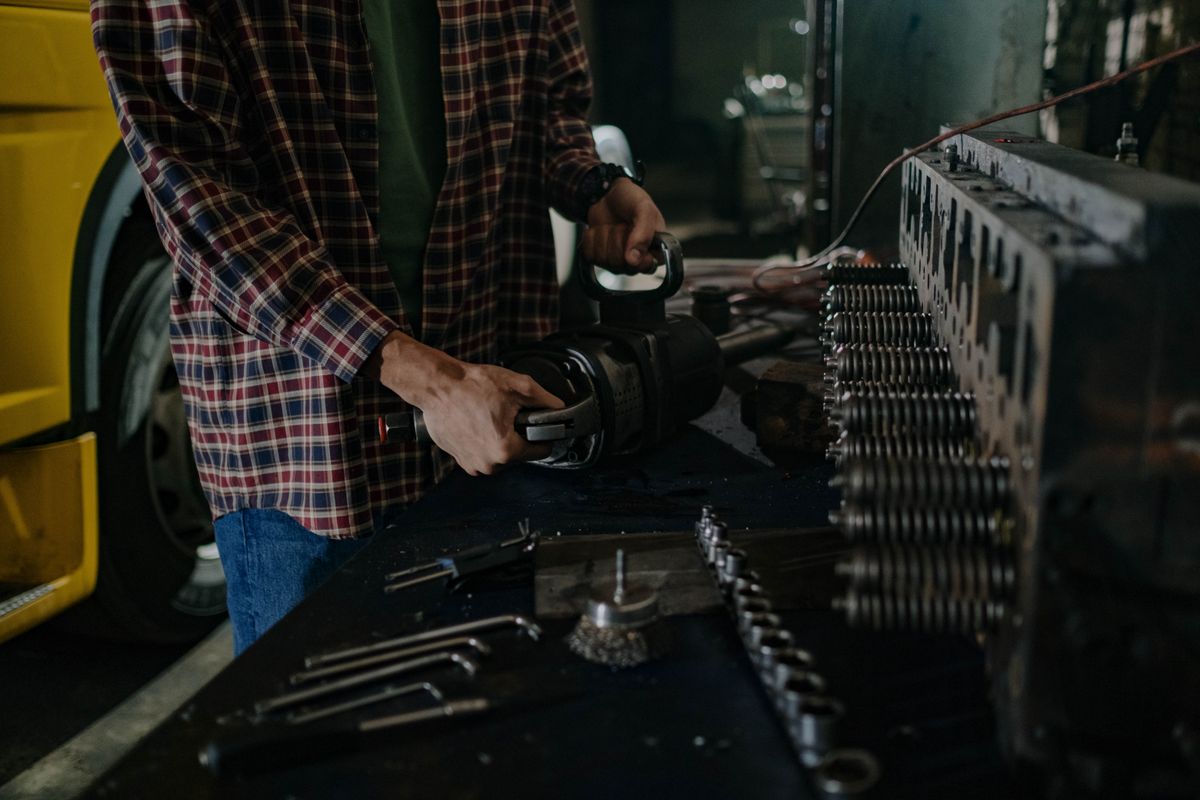
Photo by cottonbro studio on Pexels
A 3-speed system, like that on the Madebut Cordless Impact Wrench, electronically limits the tool's maximum rotational speed (RPM) and impact frequency (IPM). The lowest setting provides just enough force to snug a fastener without the risk of shearing it or stripping the threads in soft metals like aluminum. This allows the user to quickly assemble components and then finish them to the precise specification with a calibrated manual torque wrench, ensuring vehicle safety and preventing costly damage.