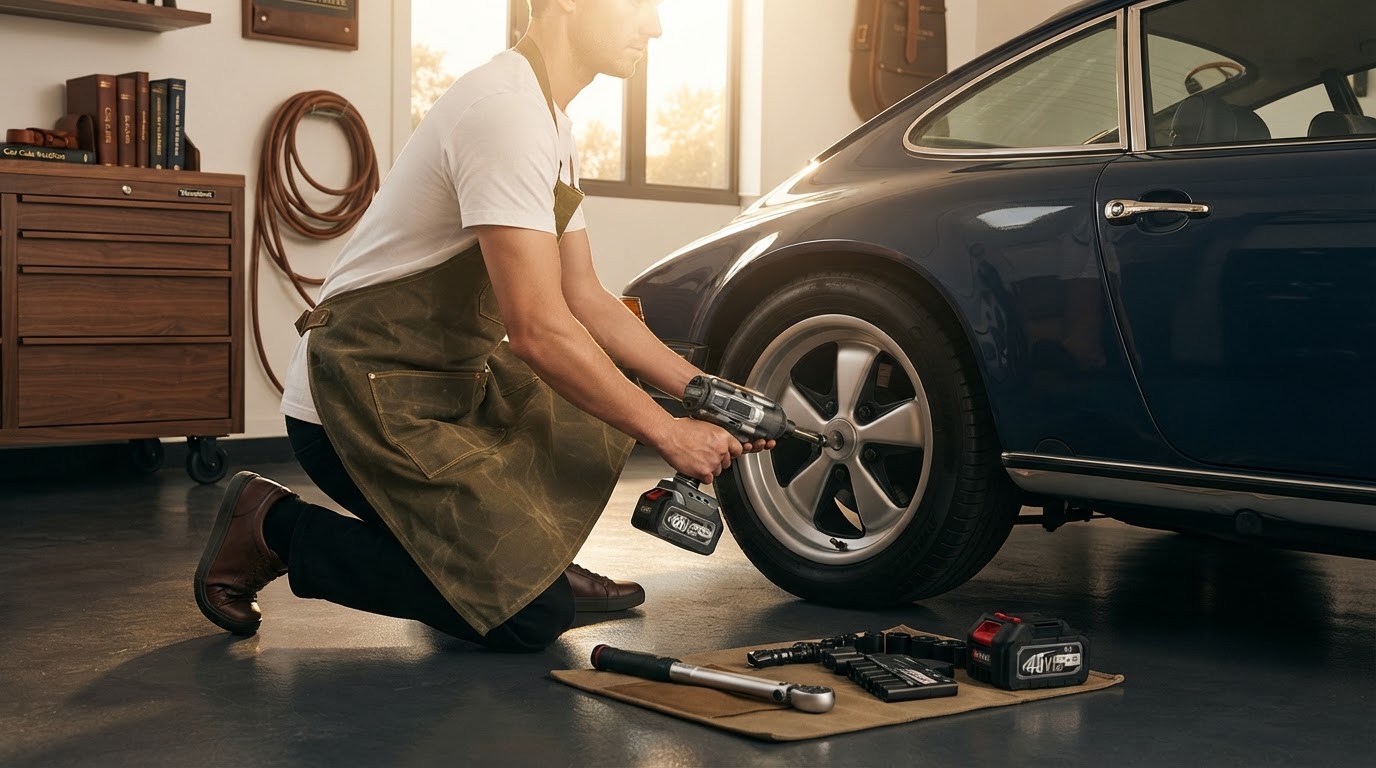
Car Lug Nut Torque Guide: How Much Torque Do You Really Need?
Proper wheel installation is fundamental to vehicle safety and routine maintenance. Understanding how much torque is needed for car lug nuts ensures that wheels remain securely attached while preventing damage to studs, rotors, and wheel assemblies. Torque specifications vary depending on the vehicle manufacturer, thread size, stud material, and wheel type. Generally, passenger cars and light trucks require a specific range such as 80 - 120 ft-lbs ft-lbs, but vehicle owners must always verify the exact value in estimated vehicle manufacturer torque spec.
Understanding Lug Nut Torque Requirements
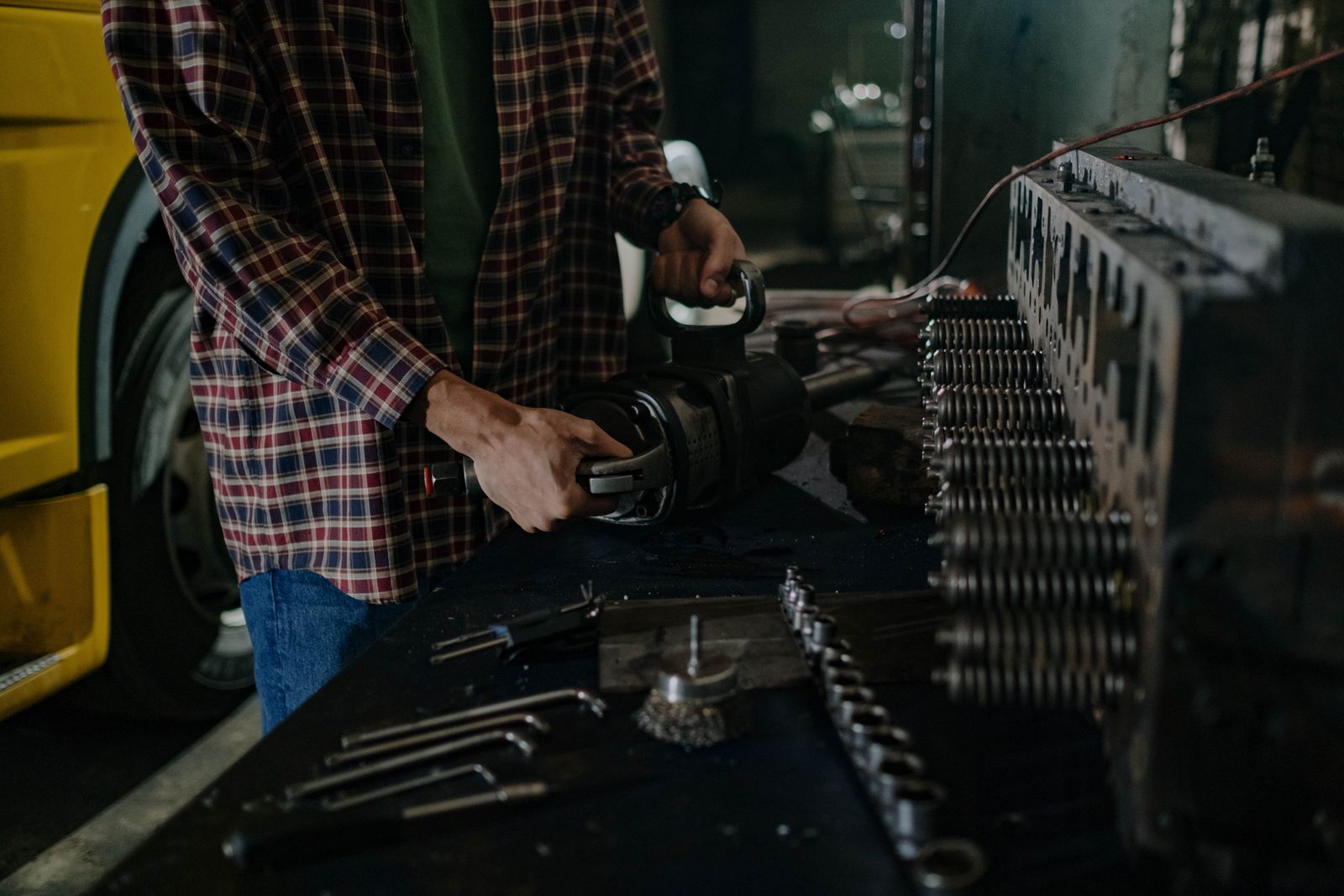
Photo by cottonbro studio on Pexels
Torque is the rotational force applied to a fastener. When tightening a lug nut, applying the correct torque stretches the stud slightly, creating tension that clamps the wheel hub securely against the brake rotor assembly. Under-tightening can cause lug nuts to vibrate loose over time, leading to dangerous wheel separation during operation. Conversely, over-tightening stretches studs beyond their yield point, potentially snapping the lug studs or warping the brake rotors.
Why Correct Lug Nut Torque is Critical for Vehicle Safety
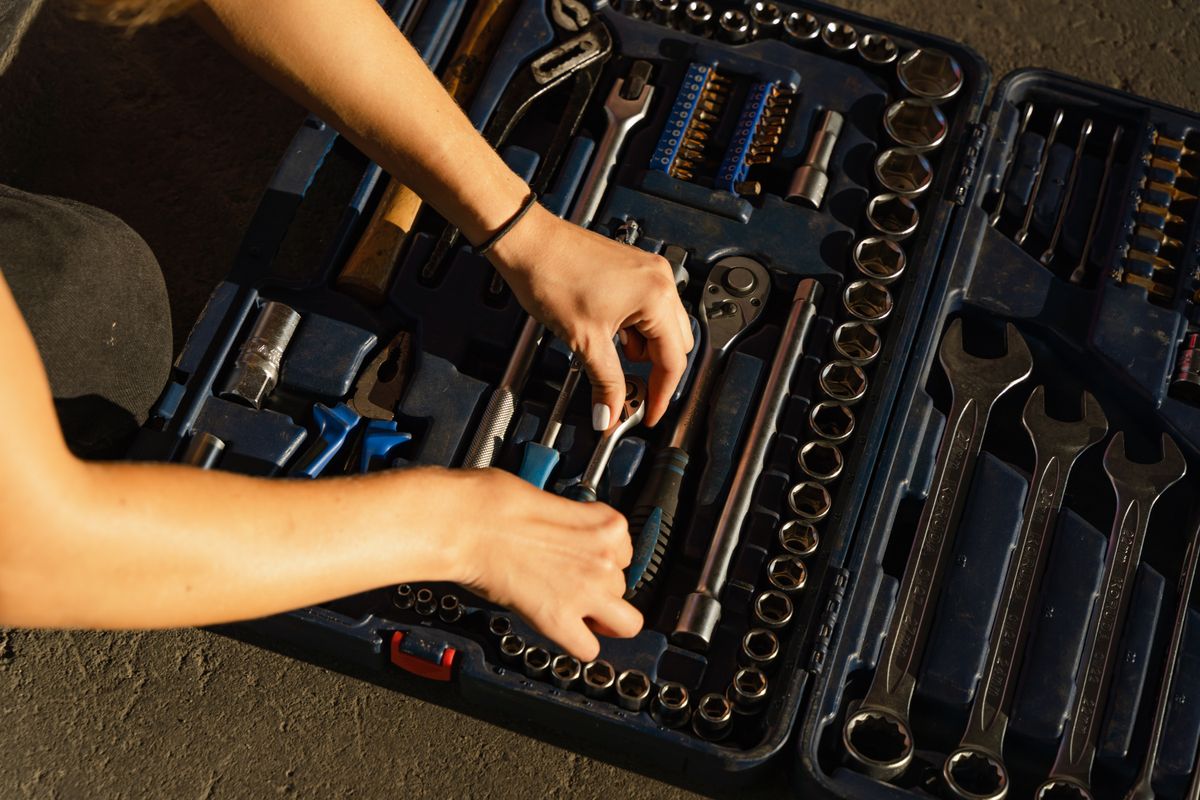
Photo by Anastasia Shuraeva on Pexels
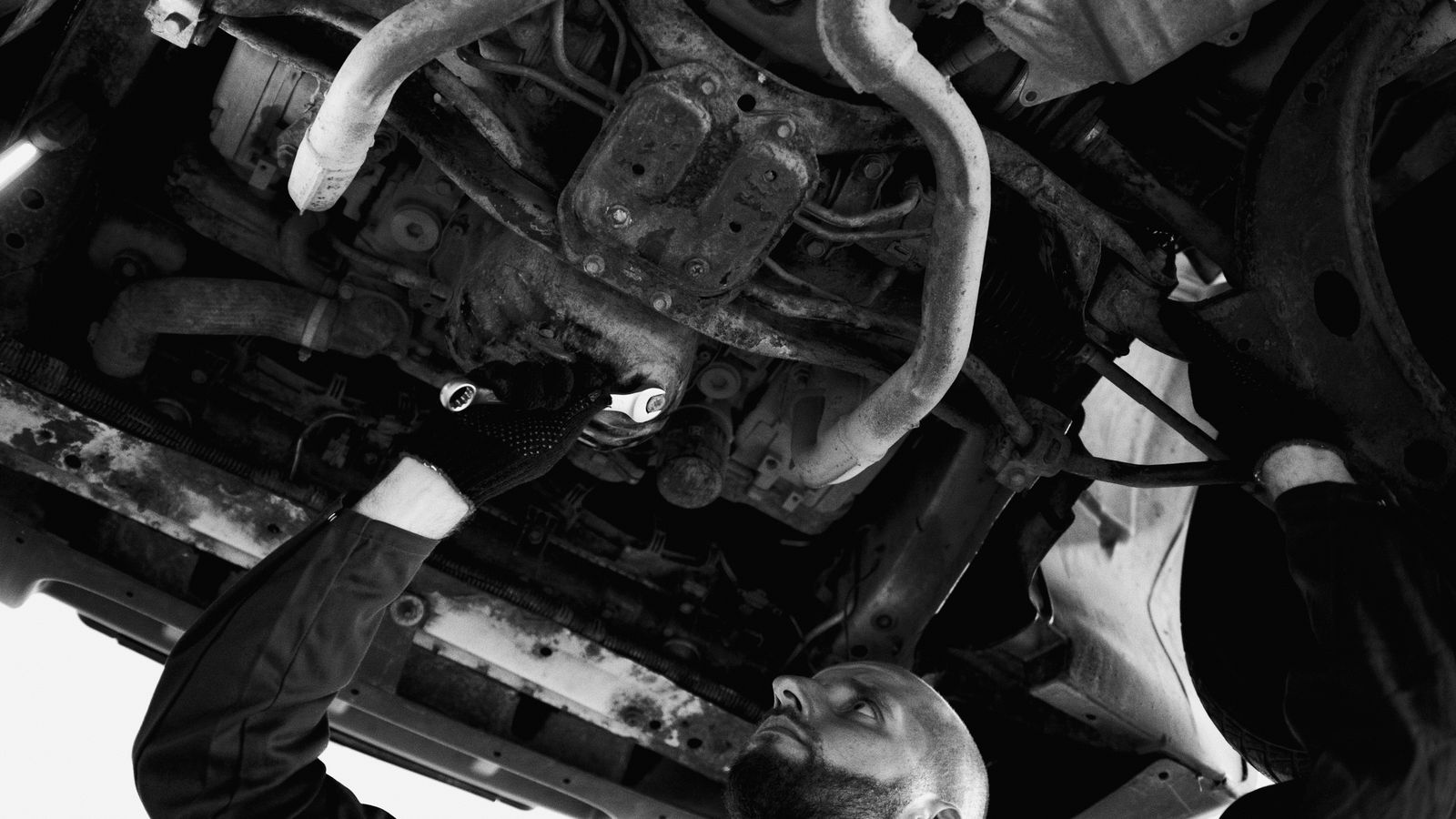
Photo by Artem Podrez on Pexels
Maintaining precise torque settings safeguards vital braking and steering components. Unevenly torqued lug nuts create lateral runout on the brake rotor surface, leading to brake pedal pulsation and accelerated wear. Using tools designed for precision control allows mechanics and DIY enthusiasts to achieve uniform clamping force across all lug studs.
Factors Influencing Lug Nut Torque Specs
Several mechanical factors dictate lug nut torque requirements:- Wheel Stud Diameter: Larger studs demand higher clamping forces.
- Wheel Material: Aluminum alloy wheels require careful torque management compared to steel wheels to avoid damaging the seating surface.
- Thread Condition: Dry, clean threads provide accurate tension readings. Never apply anti-seize lubricants unless specified by estimated vehicle manufacturer torque spec.
Choosing the Right Power Tool: Electric Cordless Impact Wrench Features
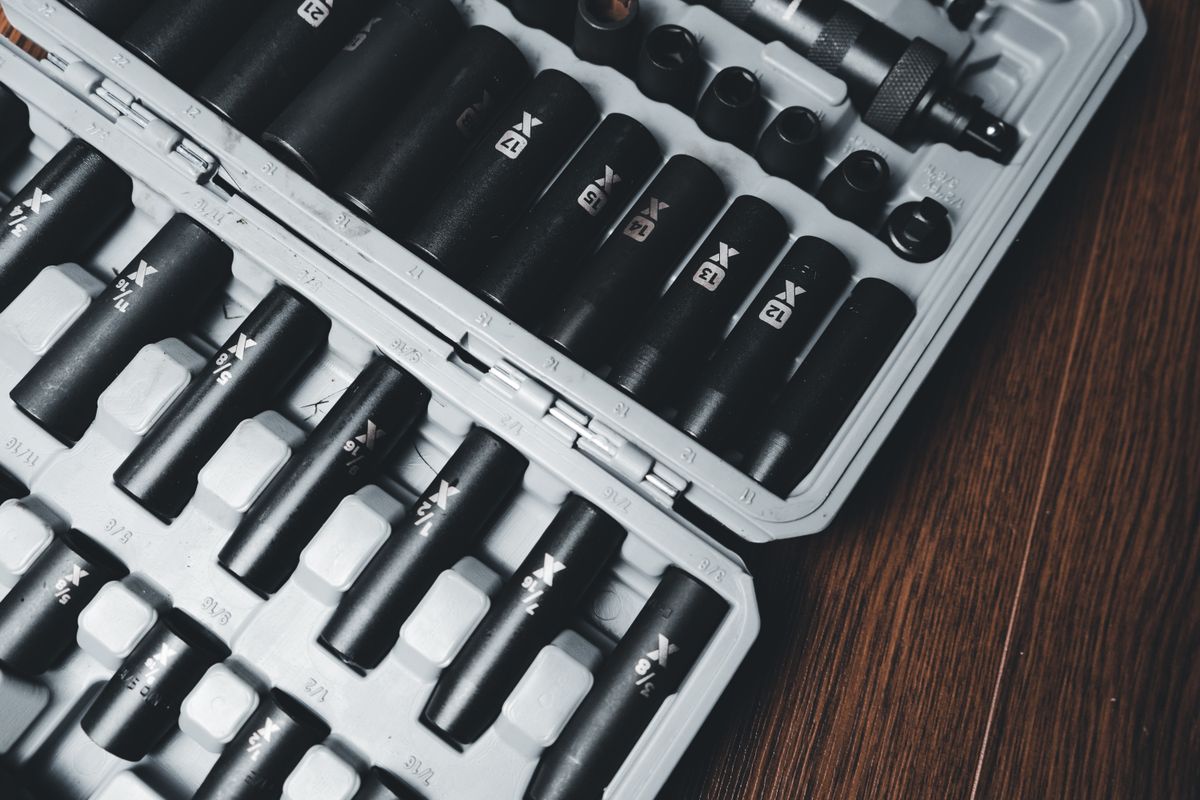
Photo by Erik Mclean on Pexels
When removing stubbornly seized lug nuts or performing tire rotations, a high-quality electric power wrench drastically reduces labor time. The PRODUCT_TITLE provides high torque output designed to break free stuck fasteners with ease. Featuring 3-Speed adjustable settings, it allows users to regulate speed and power based on the task requirement.
Its cordless design for portability eliminates restrictive extension cords and air hoses, making it ideal for roadside emergencies, construction, and home maintenance. Enhanced by an ergonomic grip and electric power efficiency, this tool gives operators comfort and extended productivity during full tire changeouts.
How to Safely Tighten and Remove Lug Nuts
Related in this cluster
- What Happens If You Over-Torque or Under-Torque Lug Nuts?
- How to Properly Torque Lug Nuts Using a Cordless Impact Wrench
- Cordless Impact Wrench vs Torque Wrench for Changing Tires
- Why the Madebut Cordless Impact Wrench is Ideal for Car Tire Maintenance
- Frequently Asked Questions About Lug Nut Torque and Power Wrenches
- 5 Common Lug Nut Maintenance Mistakes and How to Avoid Them